Connecting Hospital Tasks: Austco and Olinqua Integration in Action

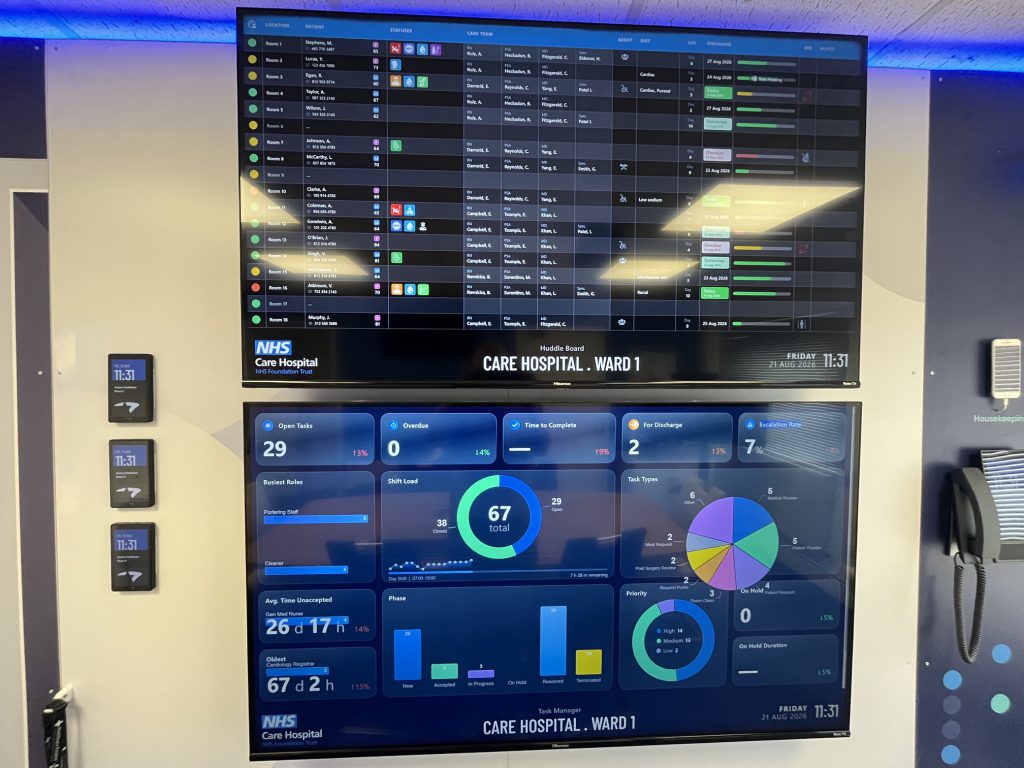
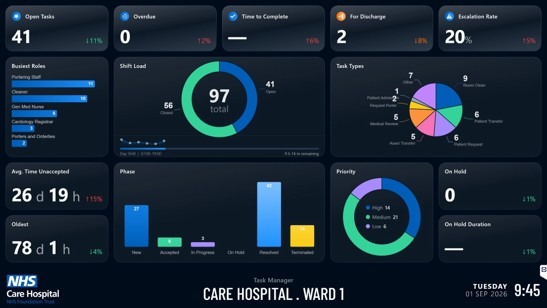
Header Image- Task Manager Dashboard

The Task Manager dashboard in the Digital Experience Centre demonstration, showing examples of open tasks, task status, task types, priority, shift load and other task-management information.

Hospital teams manage many different tasks throughout the day. Our demonstration integration with Olinqua shows how task information can move between systems and be made visible across the Austco environment.

A task is raised through the Austco system, where notes can be added and discharge-related tasks can be flagged. It is then sent to Olinqua’s cloud-based LinqOS system for task management, before task information is returned to Austco.

The Task Board (shown above) provides a dashboard of open and historic tasks, including task allocation, overdue tasks, time to complete, the roles receiving the most tasks and task types.

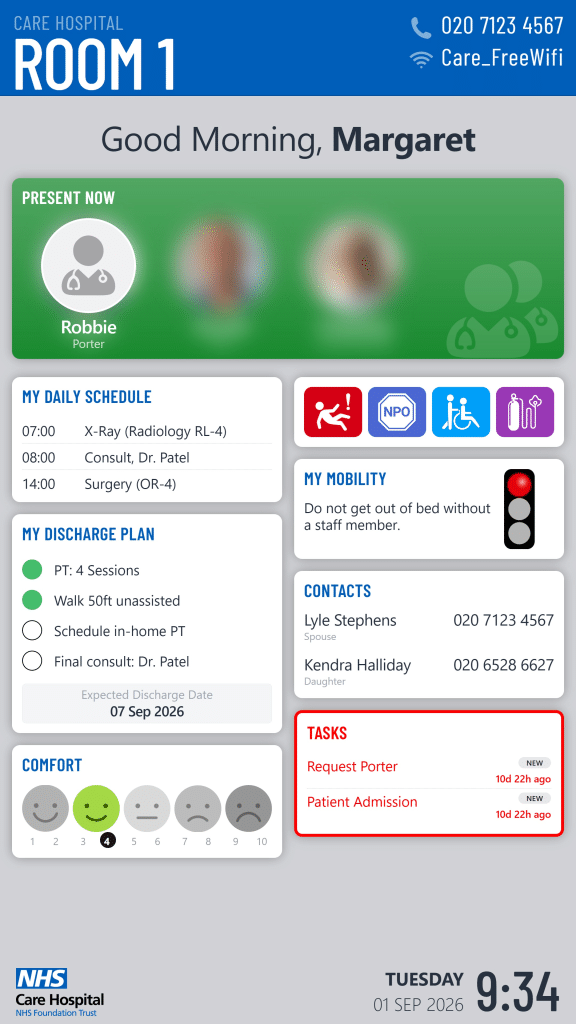
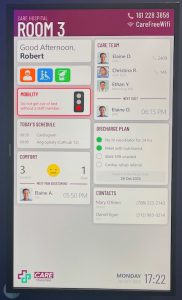
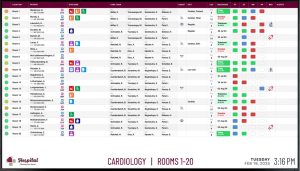
At room level, the Digital Whiteboard can display open tasks for that room, with overdue activity highlighted in red.
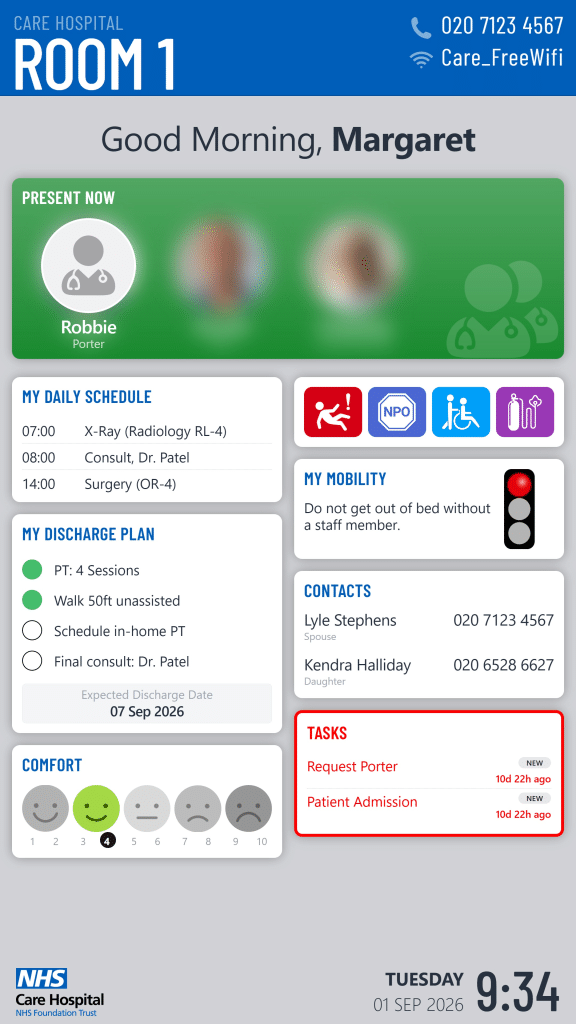
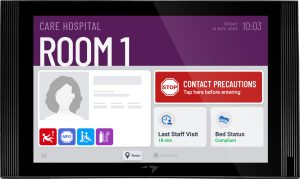
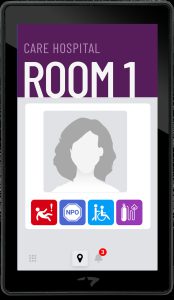
The Room Information Screen (normally outside the patient room) also includes a Tasks tab showing the number of open tasks and whether any are overdue.
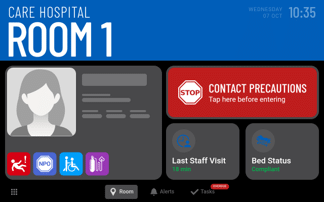
Room Information Screen: Room Overview

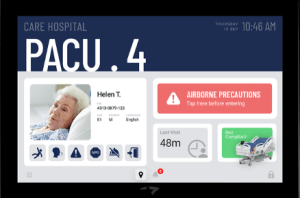
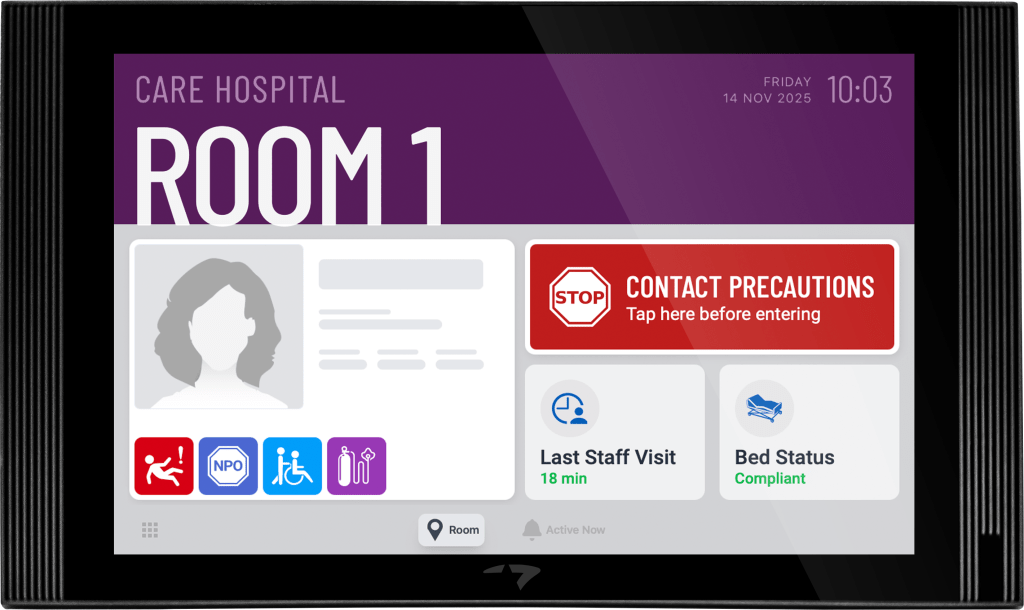
The room overview screen brings together room information and visible alerts, including contact precautions and bed status. The Tasks tab at the bottom shows an overdue indicator, helping connect room information with task activity.

From there, open tasks can be viewed, updated or closed.
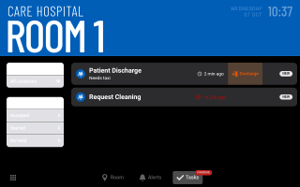
Room Information Screen: Task Overview

A room-level view of tasks in the Digital Experience Centre demonstration. The screen shows a new patient discharge task alongside an overdue cleaning request, so staff can see what needs attention for that room.

Room Information Screen: Task Details 

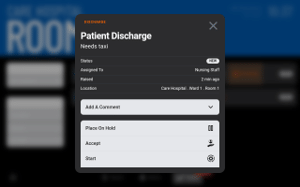
Selecting a task opens its details, including its status, assigned team, time raised and location. The demonstration also shows options to add a comment, place the task on hold, accept it or start it.

This week, Olinqua’s Jay Rich and Arthur Haycraft visited the Austco UK office to see the integration working in our Digital Experience Centre and discuss the next steps in the partnership.
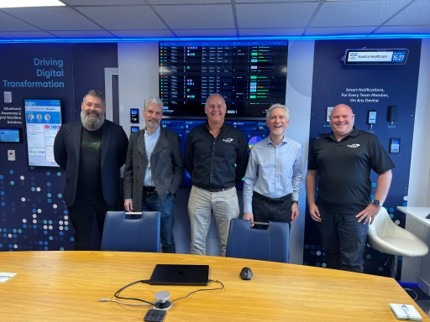
 

Partnership Visit.

Representatives from Austco Healthcare UK and Olinqua together in the Digital Experience Centre during the partnership visit. 

With Arthur visiting from Australia, it was a good opportunity for the teams to meet face-to-face and review the demonstration together.
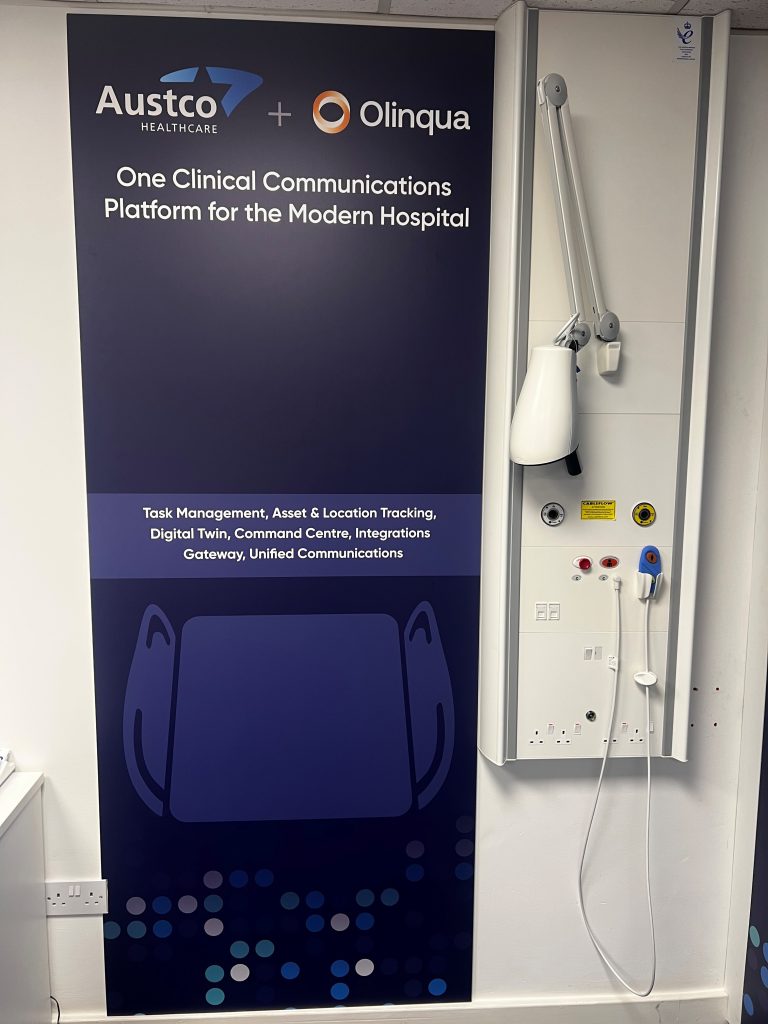
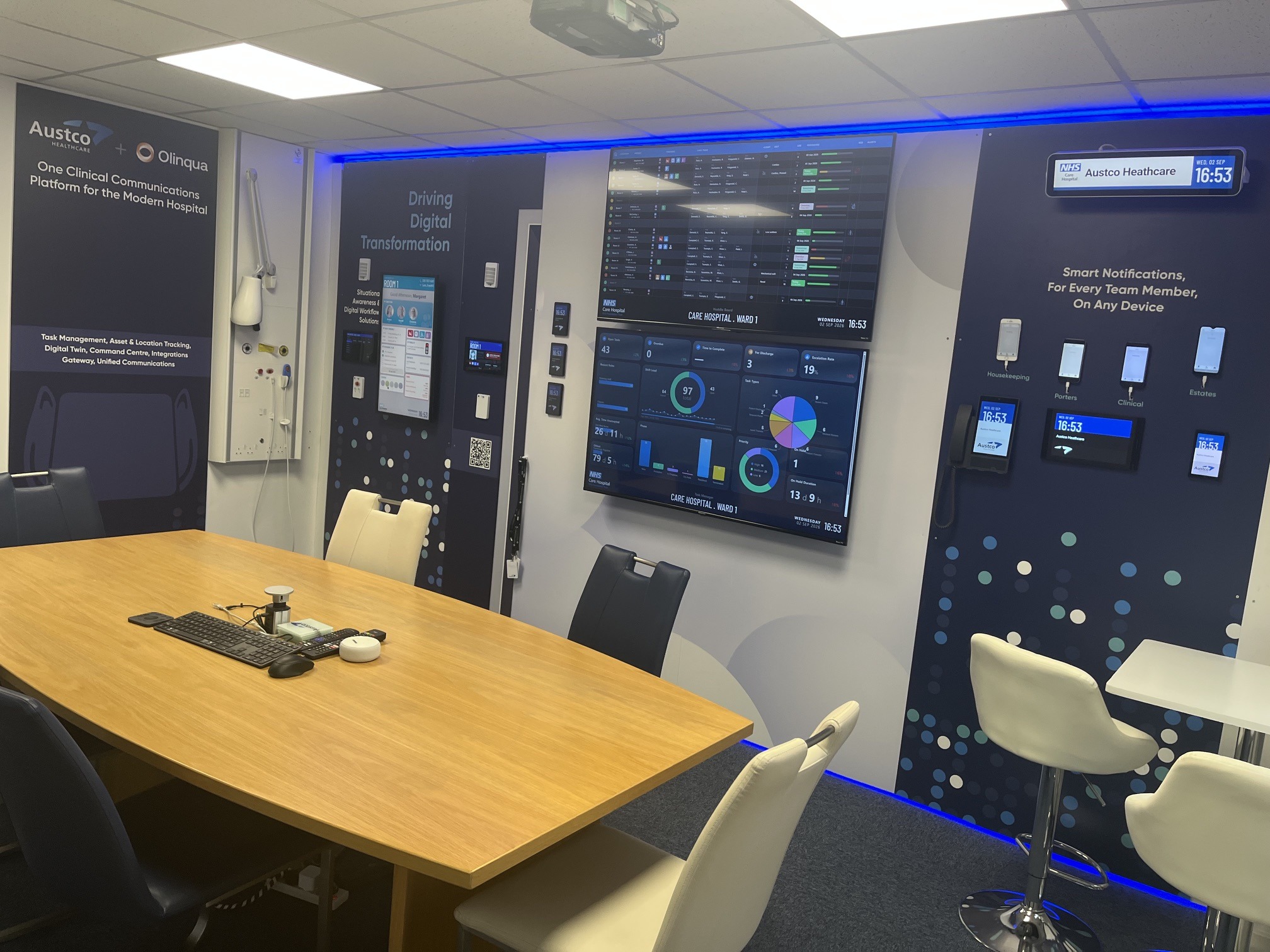
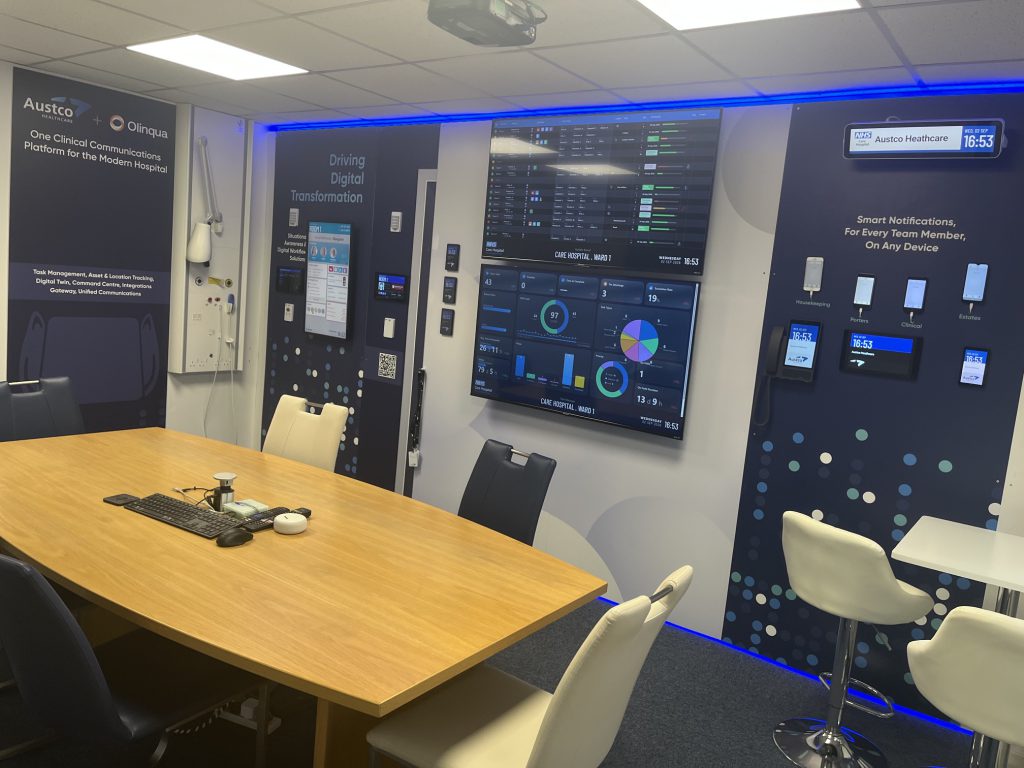
Austco + Olinqua display

The Austco and Olinqua display in the Digital Experience Centre, presenting the integrated clinical communications environment and areas including task management, asset and location tracking, Digital Twin, Command Centre, integrations gateway and unified communications.


If you would like a meeting to discuss how this could benefit your organisation, or would like a demonstration of the system, click here to book a meeting with Austco Healthcare UK.


All News and Events
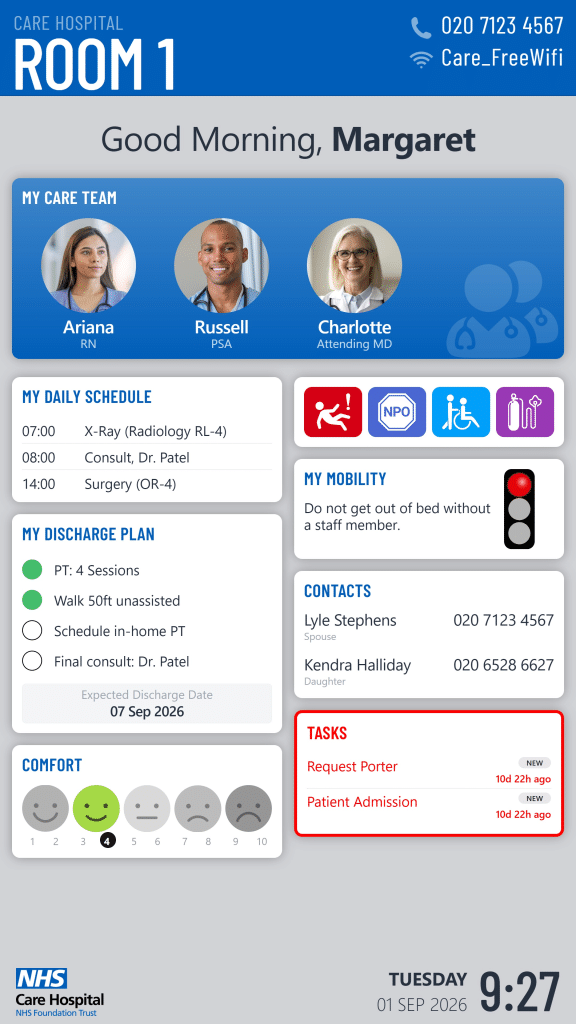
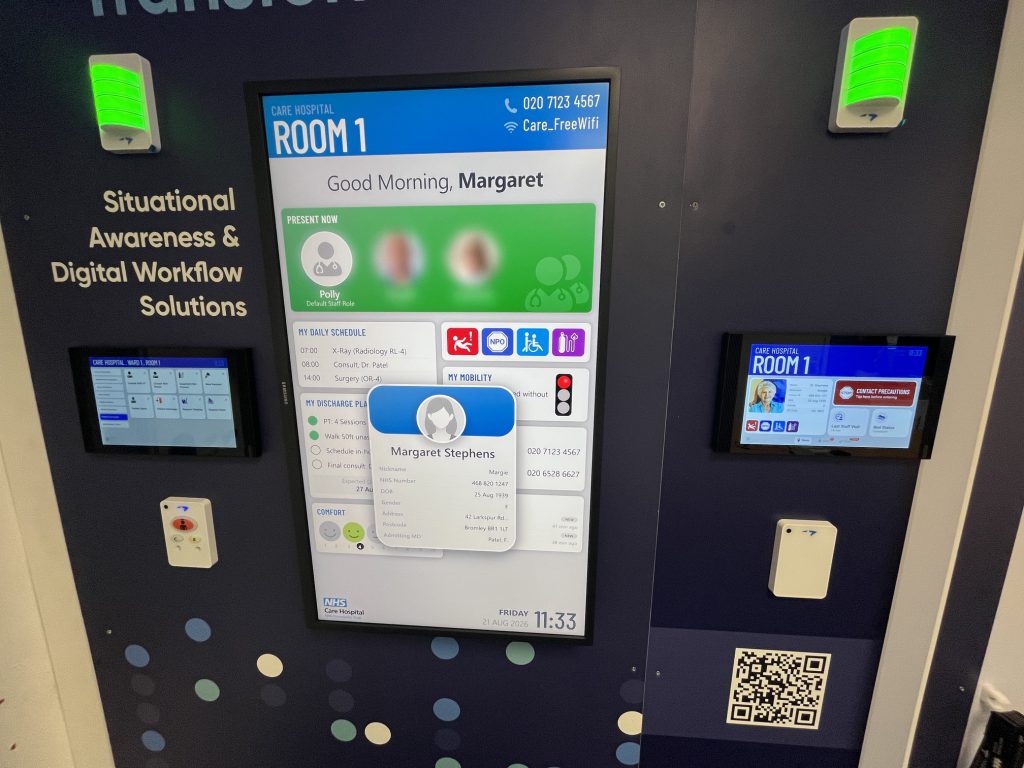
Austco’s Digital Whiteboard


The Digital Whiteboard is designed to replace dry-erase whiteboards traditionally used in hospitals to manually write up information like patient name, likes, dislikes and any other information the care team may find useful. Instead of manually writing this information, it can be pulled from the EPR system, along with information on discharge plan from ADT systems and any other information. From other systems that may be useful to the patient, visitors or the care team.

It can also display outstanding tasks so staff can see at a glance if something needs escalating, or dealing with there and then.

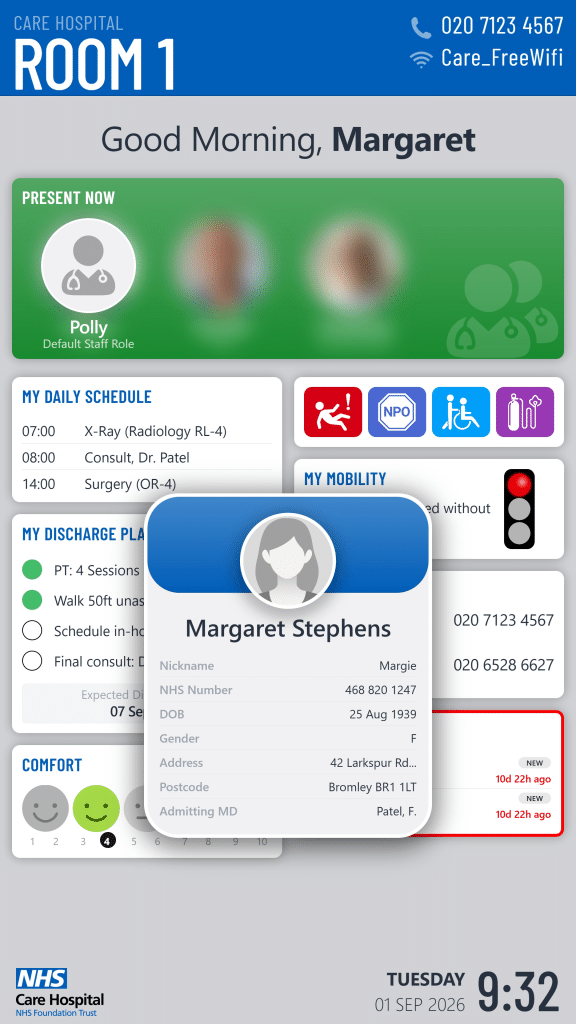
In conjunction with our built-in RTLS system, auto-presence or badging in using an RFID card can display additional information including who is present in the room.

When a member of the clinical team is present, it can then present personal information relating to the patient including answers to the regularly asked questions including:

  • Full name
  • DOB
  • First line of the address
  • Post Code / Zip Code

This information disappears if the clinical member either leaves the room after using auto presence, or badges out, but can also be set to time-out after a configurable amount of time.

The benefits here include:

  • Not having to keep logging into the EPR system to retrieve patient information, so saving time and steps
  • Better information for patients and visitors, so less questions for the care team
  • Ability to see and escalate tasks that relate to the room / patient and where possible, deal with them at the time, so reducing completion rate of tasks.


All News and Events

Austco UK / Europe Launches New Digital Experience Centre

For more than 6 years, Austco’s UK office has been home to our Demo Room which has served us well, particularly during COVID, allowing us to carry out demonstrations of our systems remotely.

We have added to it over the years with new products, innovations and integrations, but now is the time to refresh the room.

This now contains our latest innovations and integrations and has been configured in partnership with Olinqua.

This will now be known as our Digital Experience Centre and clients can expect to see a digital communications platform that looks at linking siloed systems to bring information to where it is needed, both for clinical and operational staff. 

From a clinical perspective, we bring that information to the point of care whether that is on one of our screens or on a mobile device. Connecting systems in this way takes data and turns it into usable information wherever it is really needed. We describe this as “joining the dots”. Anyone that visited our stand, or attended our talk at European healthcare Design this year will be familiar with this concept.

Over the coming weeks, we will be posting in more detail about various elements included in the experience centre, so keep an eye out for those.

All News and Events

Austco’s involvement at European Healthcare Design

Austco’s involvement in European Healthcare Design was in 3 parts:

  • Present a paper on “Joining the Dots: Achieving a smart hospital with integrated systems” delivered by Kevin Higgins and Peter Ball.

  • Exhibit our Clinical Communication and Collaboration solution in partnership with Olinqua.

  • Sponsor the Science, Technology and Digital Transformation stream.

All activities went very well, and it was interesting to understand client problems, and how we can help to solve them, but also to get their feedback on the solutions we offer and tweaks we could make to make the offering even more compelling.

All News and Events

Demonstration of Digital Communication & Collaboration

At European Healthcare Design 2026, Austco exhibited our Digital Communication System integrated with Olinqua’s Linq OS. The below link will take you to a video demonstration of the system and the integration with Olinqua.

Video Demonstration

All News and Events

Austco at European Healthcare Design

On June 15th and 16th, Austco will be taking part in the European Healthcare Design Conference in a number of ways:

  • Exhibiting – Stand demonstrating the features and Benefits of our Tacera system,
  • Presenting a Paper – Joining the dots: Achieving a smart hospital with integrated systems
  • Silver Knowledge Leader – Sponsoring Stream 2 – Science, technology and digital transformation

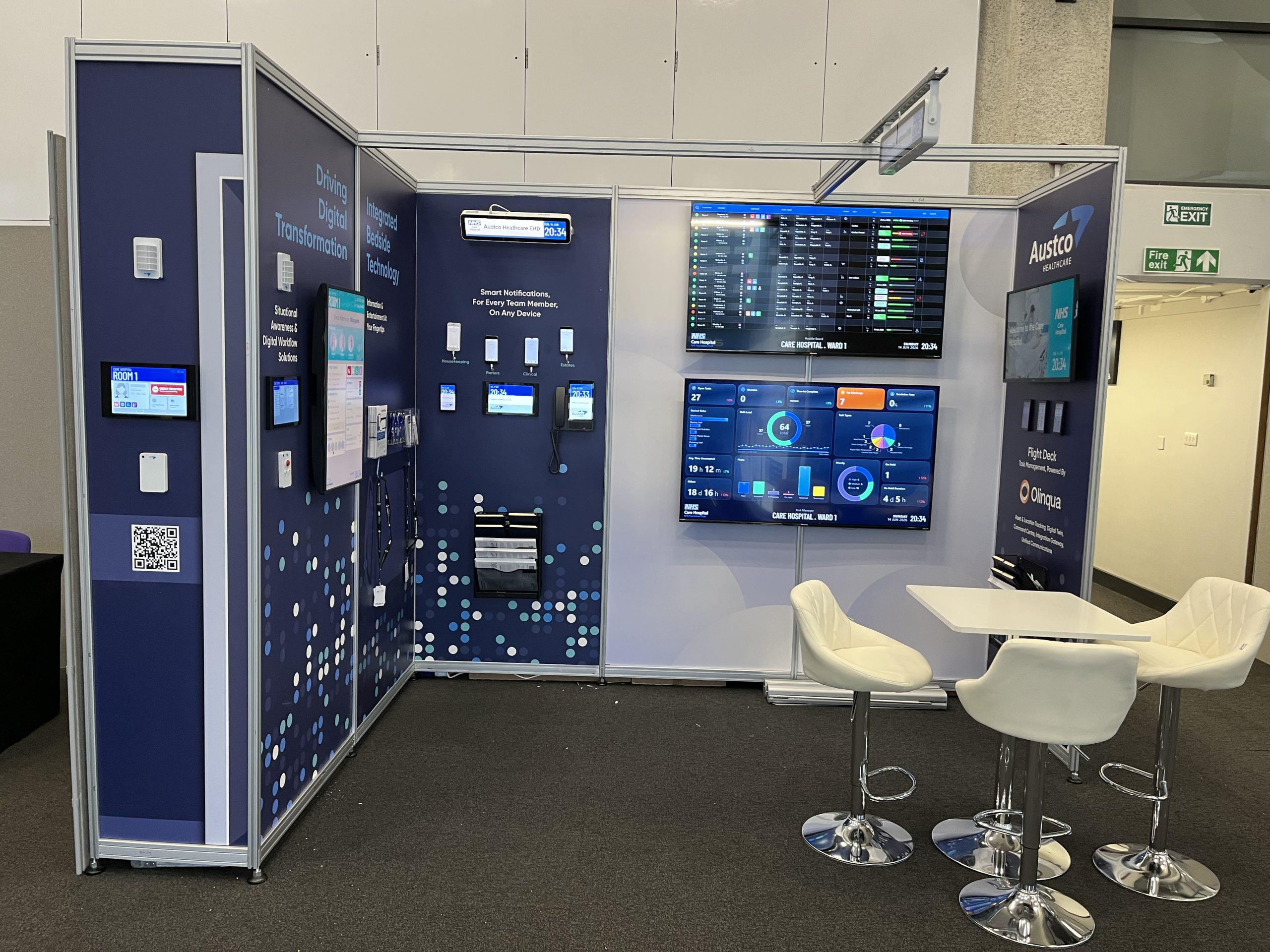
Our stand will feature all of the features we displayed at Healthcare Estates in October focussed very much around clinical communication and collaboration, but with some additional features and benefits too. One of those is we will be working in partnership with Olinqua to showcase some of the increased capability in this partnership. If you are attending, then please come and visit Stand 4 where you can see the below in action:

  • Digital Signage
  • Digital Whiteboards
  • Room Information Screen
  • Workflow screens
  • Pulse Mobile
  • Census Board
  • Flight-Deck Dashboard
  • Integrated Bedside Technology
  • Patient TV / Patient information screen

Last year we presented a paper on Digital Transformation of Clinical Workflows in Hospitals presented by Kevin Higgins (VP of Product Management) and Peter Ball (Head of Sales – Europe). We are looking forward to a repeat performance this year with plenty of detail and thought leadership mixed in with a good dose of humour.

To see more information on our contribution last year please click here

To view the Digital Transformation of Clinical Workflows in Hospitals paper please click here

To register for the Conference, please click on the link below: https://www.europeanhealthcaredesign.eu/registration/

All News and Events

Benefits of a Hybrid Solution

Many clients are considering upgrading legacy Nurse Call systems as the products become end of life or even obsolete. The problems they often have are low budgets and the planning involved in replacing systems that are by design in the patient space.  Austco have considered the dilemma, and so have made hybrid solutions available.

This is where we leave the existing Medicom hardware in place until budgets are approved and planning of the replacement has taken place, and link a Tacera system to it, enabling many of the Tacera features while still utilising the existing hardware and cabling. New screens can be added and modules like Pulse Mobile, Workflow and Insight can be added and utilised.

Screens

Rather than keeping the older “Dot Matrix” type screens, with Tacera we can add the latest customisable LCD screens giving clearer visibility of alarms, as well as assisting with Digital Way-finding. You can also customise the colour scheme and add logos / branding.

Pulse Mobile

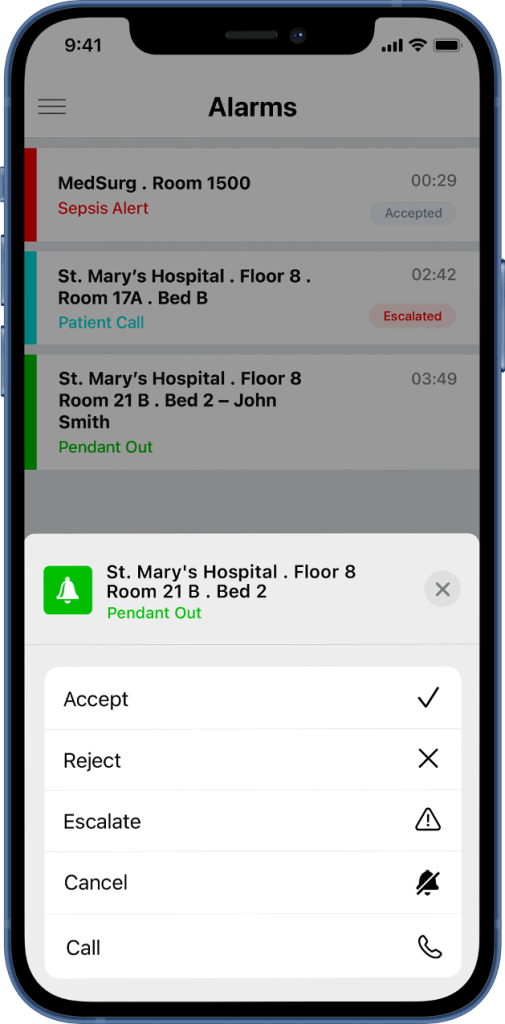
The addition of Pulse Mobile really changes the functionality of the system, enabling alarms to be targeted to roles and for the alarms / notifications to be received on the move, rather than having to go to the nurse base or find a screen in order to understand where the alarm is coming from, the type of alarm, and how long it has been active.  It also allows the staff to accept the alarm, so showing other members of that that this particular alarm is being dealt with, so improving efficiency. This can also then enable silent ward scenarios, where alarms are shown on screens and sent to mobiles, but the localised sounders are muted. This helps reduce alarm fatigue and provides a better patient environment.

Workflow and Automation

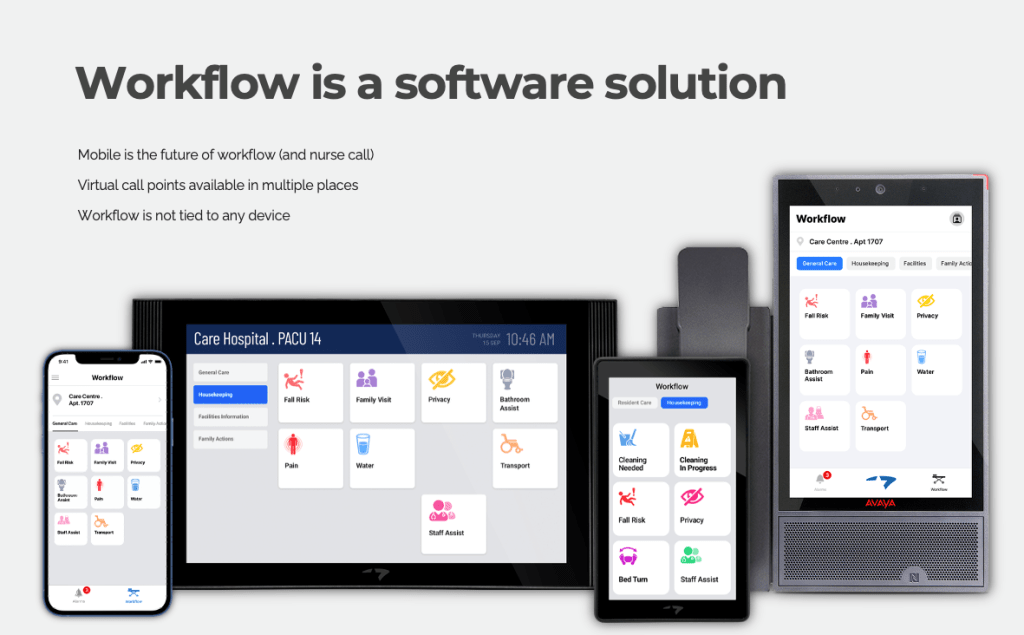
The Tacera system allows for the introduction of workflow, so tasks and reminders can be generated as well as alarms. This can be done for a variety of touchscreens, or from a mobile handset. The workflow solution helps with visibility, but also improves efficiency, staff wellbeing and in a number of cases improves patient experience.

Insights Reporting

Reporting of real-time data can show information such as overall call volume, staff workload, response times  and a host of other data Having the Medicom system linked to Tacera enables advance reporting without having to swap out the Nurse Call hardware.

Integrations

Tacera’s integration engine allows for various systems to be connected to the legacy Medicom system.

Any of the above features can be enabled with a Hybrid solution, until the budgets and preparations can be made to change out the Medicom hardware for the latest Tacera equipment. It is a very useful stepping-stone to a full upgrade, buying time, but also allowing staff and the organisation as a whole to experience the benefits of the latest technology.

All News and Events

IHC – Integrated Bedside Technology

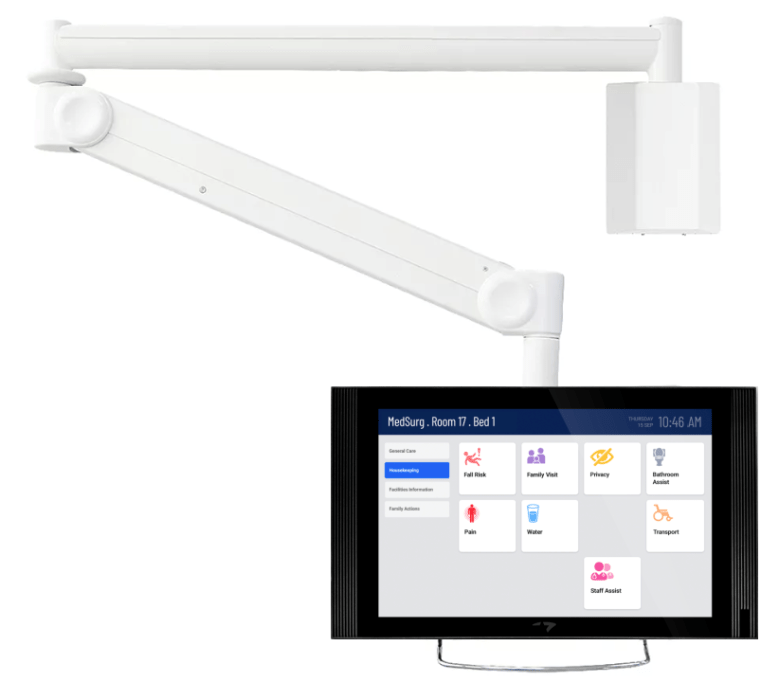
One of the Intelligent Hospital Capabilities is Integrated Bedside Technology, and we can provide this by use of our Application Station, which is a touchscreen device that can be mounted on an articulated arm.

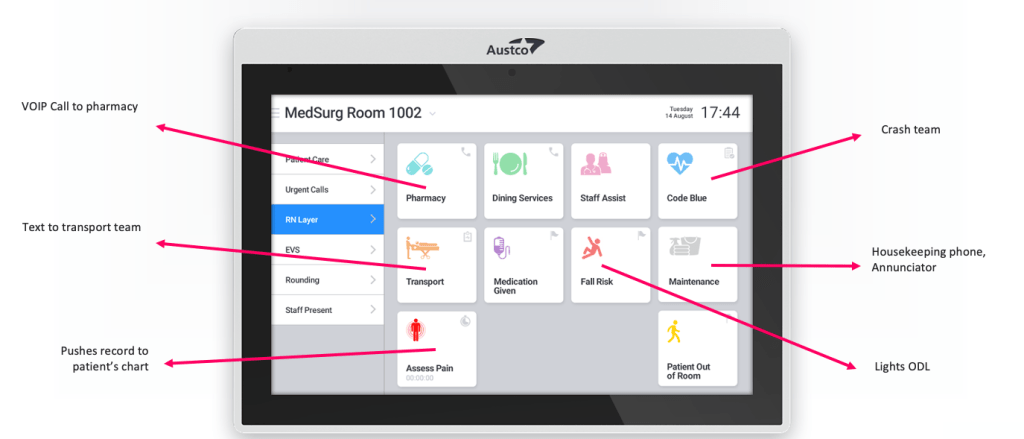
The device can have a number of separate screens / tabs for varied use, and one of those optional screens is the Workflow Screen. The workflow screen can have multiple tabs for different types of application use. Typically some tabs would be used for notifying staff of a requirement (nurse needed, food or drink required, or an issue in the room), but the programmable buttons can be used for a variety of use cases. 

One of the other available tabs can be used for Staff to access electronic patient records by connection to the EPR system.

Integration with Smart Building Systems – this can allow control of such things as lighting, window blinds and other devices connected to the BMS so giving them greater control at the touch of a virtual button.  Again this can avoid unnecessary call to a nurse for them to carry out such tasks, allowing nurses to carry out clinical tasks instead.

Patient information screen – If the Patient Boards are not to be deployed, there is still the option to have information from the EPR system displayed on the Application Station. This can help patients see information about their care which helps reduce the anxiety of what is going to happen and when.

The device also has built-in audio for voice communication, and shortcuts buttons can be created for the most commonly required numbers. 

As it is an android device, TV remote Control Software can be installed, and therefore it can be used to control suitable TVs without the need for a separate remote control. It can also be used to access the internet.


All News and Events

IHCs – Clinical Communication & Collaboration

Tacera is a Clinical Communication system. Its industry standard IP network architecture with open API for integrations, enmeshes with the hospital data infrastructure to leverage a fully integrated platform across the entire hospital.

Tacera includes various modules including IP Nurse Call with VOIP speech facility, Workflow, RTLS, Mobile Communication, Digital Signage and Enterprise Reporting. It has an open API to integrate with patient flow, scheduling, EPR systems, orchestration applications; telephony platforms; fire and building systems; staff duress; smart beds, pumps and telemetry equipment; asset tracking and IOT devices.  Smartphone and tablet capability is by means of native iOS and Android apps.

Tacera is an adaptable and scalable solution delivering significant benefits  including:

  • Providing the right information to the right person in the right place at the right time e.g. context rich information including up-to-date patient data.

  •   Patient Safety and Quality – Patients can send alerts and requests directly to individual, department or clinical team using Touchpoints, Mobile devices or from their pendant handset.
  •  Patient Flow – Use of the workflow system provides faster patient admissions, treatment, transfer and discharge, as well as allowing staff to focus on care rather than spending time on the phone waiting for answers from portering, housekeeping, and pharmacy.

  • Team productivity/Collaboration – Increasing staff productivity through collaboration using workflow or IP voice communication.
  •  Patient Activation and Experience – Nurses can speak to patients before walking to them and can receive specific requests for drinks etc., directly to their handsets. 

  • Patient experience – Patients feel more engaged through use of the system, and get more prompt responses from staff.
  • Staffing and Experience – Detailed, context-rich, and up-to-date patient data and statuses are always available to nurses via integration with the EMR / EPR system and displayed at the bedside and / or outside the room. Clearer information and less time spent on phones waiting for someone to answer also contributes positively to staff wellbeing. Resolving alarm fatigue for staff.

  • Reducing cost –  Reduced staff costs as the need for additional staff for single-occupancy rooms is mitigated by the use of this communication platform.
  • Continuous Improvement – Using Tacera can improve the punctuality and quality of clinical decision-making, resulting in better outcomes.

Austco Tacera CC&C solutions are installed in hospitals throughout the UK and in over 50 countries around the world.  

All News and Events
Intelligent Hospital Capabilities (IHCs) – Digital Signage

As part of our Tacera system, we have a number of options for digital signage.

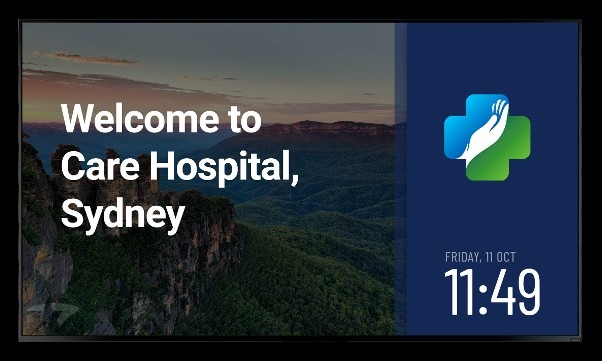
Large Screen Display Driver – This is a device that connects via HDMI to any standard TV (1080p or above) to display Scrolling images (such as notices, banners, posters etc) and videos, but upon the activation of an alarm or notification it becomes an annunciator. The screen switches back to its previous screen when the alarm notification is cleared.

Corridor Display – These customisable displays can be used to help with digital wayfinding by displaying the name of the area / ward, but turn into an annunciator upon activation of an alarm / notification.

The benefits of these displays includes Improved wayfinding – this will help staff (particularly new or agency staff) to understand where they are when navigating multiple corridors. This will also help the general public for the same reasons. From a staff point of view this can help improve efficiency.


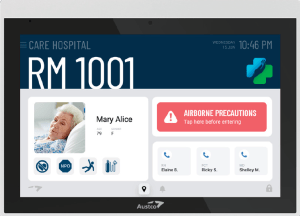
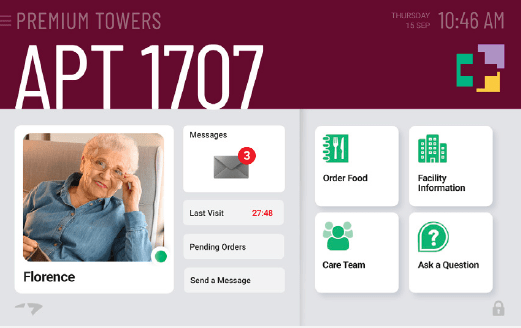
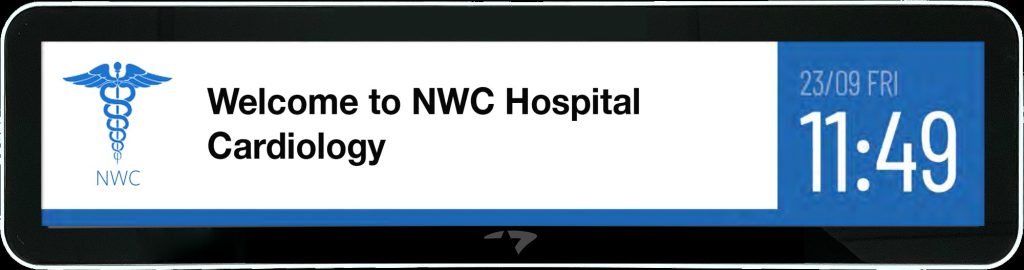
Room information Screen / application station – This customisable display can be used for a number of uses including room / patient information. The information displayed here is entirely customisable and would typically be located outside a patient room. Information can be pulled from other systems such as EMR / EPR systems but also ADT systems.

Patient Board – This screen would typically be located at the bedside in place of the white board. It can be customised to provide whatever information needed from either the Tacera system or connected systems (such as EMR / EPR). The information can be for staff use but also for patient use keeping them informed of what is happening with their care.


Census Board – This is typically found at the nurse base and gives an overview of information about patients in a given area / ward. Information can be pulled from EMR / EPR, Bed Management, ADT systems etc as well as showing information from the Tacera system.
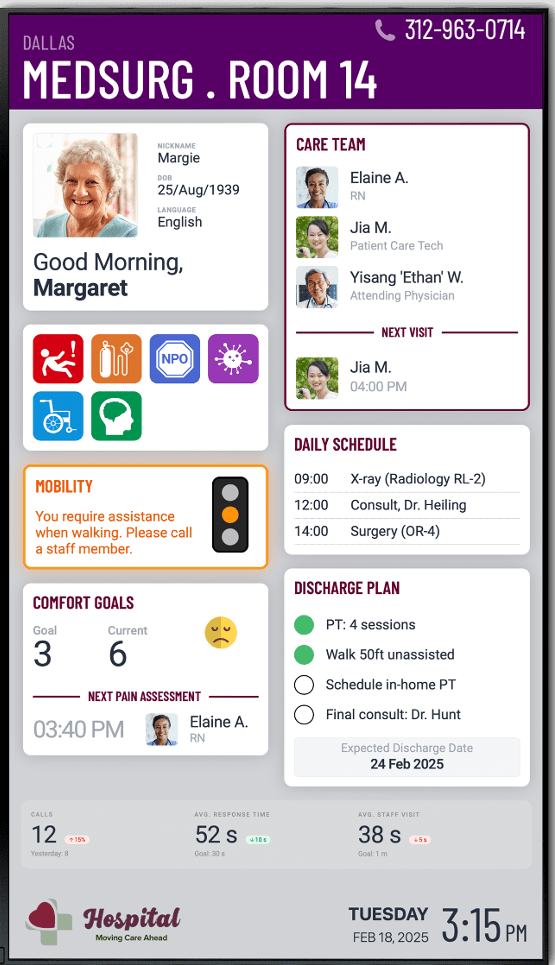
 

The benefits of various digital information screens include:
  • Improved staff efficiency – Having patient information readily to hand will help clinical staff to identify the patient, understand information about their care to date and planned, but also cut down on the need to log into the EMR / EPR system each time they want some of this information. It also avoids the need to write information on a whiteboard, as this would be pulled from EMR / EPR directly. Utilising the room information screen outside a room will also improve efficiency as there would be no need to enter a room just to understand who is in it.
  • Improved patient care – Having information directly to hand about the patient and their care plan, helps to keep staff informed so the right care is delivered at the right time. Notifications can be also generated based on timers to assist with regular tasks to ensure they happen in a timely fashion.
  • Improved staff wellbeing – Information displayed on the Room Information Screen outside the room about the patient’s state (e.g COVID patient) could help to take necessary precautions before entering the room. Also having information to hand at the Patient Board next to the bed would avoid the need to log into a COW to gather information about the patient and their care.
All News and Events