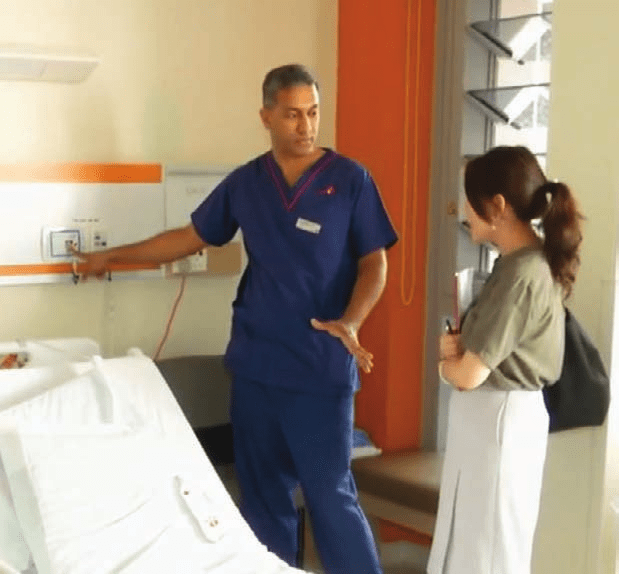
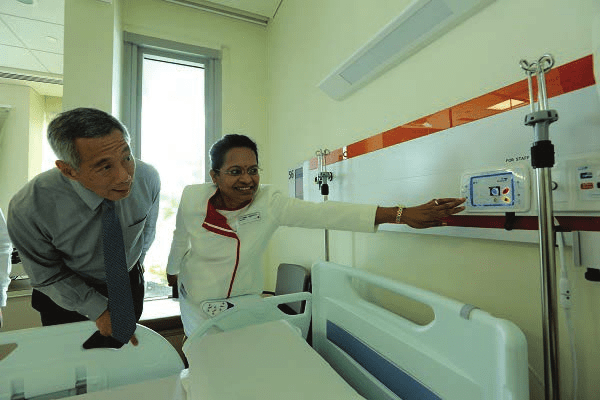
JurongHealth Campus, with Austco Tacera solution, becomes an award winner

 Jurong Health Campus and Ng Teng Fong General Hospital, part of the National University Health System in Singapore, is HIMSS (Healthcare Information and Management Systems Society) first ever Davies Award winner from maritime Southeast Asia. The HIMSS Davies Award of Excellence recognizes the thoughtful application of health information and technology to substantially improve clinical care delivery, patient outcomes and population health around the world.

JurongHealth and Austco Marketing & Service Asia Pte Ltd. formed a strategic partnership when Austco Tacera solution was chosen for their new state-of-the-art facility in Singapore. Read our case study about the JurongHealth campus

About HIMSS

HIMSS (Healthcare Information and Management Systems Society) is a global advisor, thought leader and member-based society committed to reforming the global health ecosystem through the power of information and technology. As a mission-driven non-profit, HIMSS offers a unique depth and breadth of expertise in health innovation, public policy, workforce development, research and digital health transformation to advise leaders, stakeholders and influencers across the global health ecosystem on best practices. With a community-centric approach, our innovation engine delivers key insights, education and engaging events to healthcare providers, payers, governments, startups, life sciences and other health services organizations, ensuring they have the right information at the point of decision. HIMSS has served the global health community for more than 60 years, with focused operations across North America, Europe, the United Kingdom, the Middle East and Asia-Pacific.

All News and Events

Austco partners to refresh nurse call system for JurongHealth Campus

NTFGH Emergency Response Team Getting to a Patient Within 2.6 Minutes

JurongHealth and Austco Marketing & Service Asia Pte Ltd. formed a strategic partnership when Austco’s Tacera solution was chosen for their new state-of-the-art facility in Singapore. The JurongHealth Campus is comprised of the 700-bed Ng Teng Fong General Hospital (NTFGH) and 400-bed Jurong Community Hospital (JCH). The hospitals were designed and built together from the ground up as an integrated development to complement each other for better patient care, greater efficiency and reduced operational costs.

The Tacera solution designed for JurongHealth offers a range of features and functionality to help improve patient outcomes, operational workflows, and execute JurongHealth’s mission; To advance healthcare by synergizing technology, education and research in partnership with patients and the community. Tacera is the only Nurse Call solution on the market that delivers VoIP Internet Protocol to the patient’s bedside, providing the foundation for future products and services using internet-based protocols.

Superior flexibility with a scalable solution

A key benefit of the Tacera solution is its seamless integration as the trigger component of the Integrated Code Blue System that delivers the fastest Code Blue rapid response of any hospital in Singapore. The time from the initial code blue trigger to when an Intensive Care Specialist arrives to treat a patient has been reduced from 7-10 minutes to 2.6-2.8 minutes, which means the patient is treated within the “Golden 5 Minutes͟,” thereby reducing the risk of hypoxic brain damage and improving chances of a full recovery.

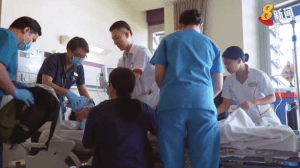
Earlier this year, a media briefing was held to share the results of a study pertaining to JurongHealth’s Code Blue initiative. A first-of-its-kind in Singapore, the initiative was a collective effort by various teams to deploy a variety of rapid response systems, enhanced activation parameters and improved workflows to save lives at Ng Teng Fong General Hospital (NTFGH).

Every second counts

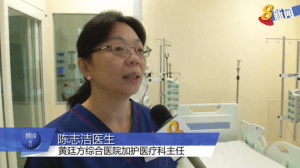
“Since we have deployed the Tacera emergency call system, the risk of sudden cardiac arrest in our hospital has dropped from 1.39 per 1,000 people two years ago to 0.79 per 1,000 people this year, while our occupancy rate during the same period has increased by 21%,” said Dr. Chen Zhijie, director of the Nursing Department of Ng Teng Fong General Hospital. “This is a big improvement.”

The survival rate of patients has also been increased from the original 6.6% to 20%. Seventy percent of patients will have symptoms 6 to 8 hours before cardiac arrest. Once symptoms such as abnormal breathing, heart rhythms and elevated blood pressure are detected, the emergency call system will automatically initiate a call to the Quick Response team. The survival rate of these patients has been increased from the original 42% to more than 70%.

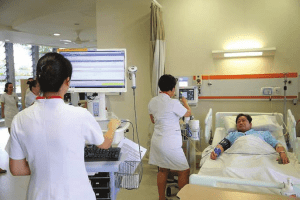
At present, all beds at Ng Teng Fong General Hospital are equipped with a Tacera emergency call button. JurongHealth intends to adopt artificial intelligence technology in the future, which will allow the system to automatically diagnose the patient according to their systems and provide detailed information for the response team to further improve survival rates.

All News and Events

Embracing Advanced Technologies for Enhanced Efficiencies – St. Luke’s

The Facility

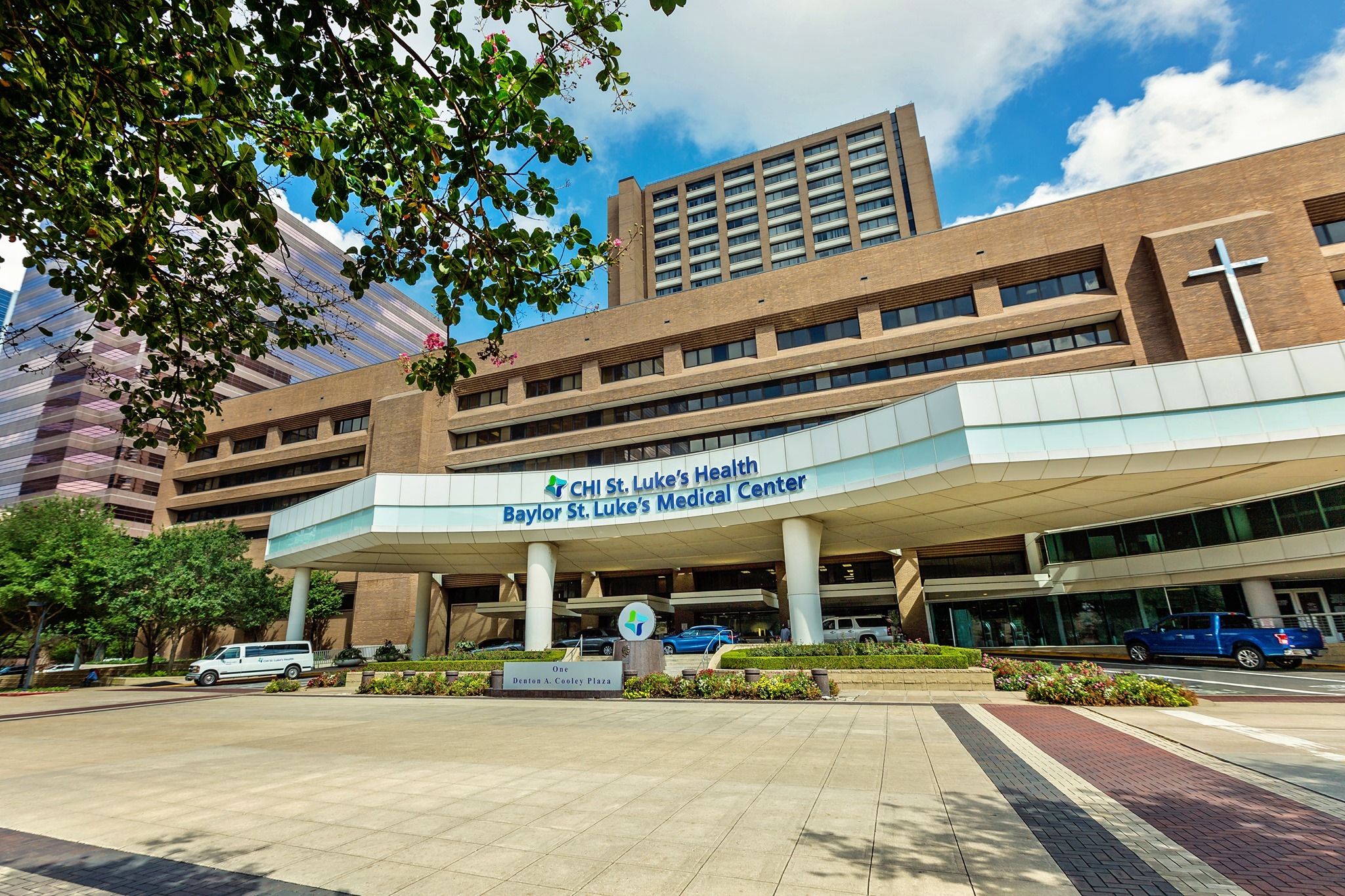
CHI St. Luke’s Health – Baylor St. Luke’s Medical Center (formerly St. Luke’s Episcopal Hospital) has been a leader in the Texas healthcare community and on the forefront of new advances in heart health and technology for more than 60 years. CHI St. Luke’s Health (formerly St. Luke’s Episcopal Health System) contributes to enhancing community health by delivering superior value in high-quality, cost-effective acute care. As a community teaching hospital and a tertiary referral centre, the Hospital serves both the greater Houston area and the global community. 

Challenges

When it came time to begin renovations on their medical tower in Houston, they wanted a Nurse Call system with leading-edge technology. Ensuring faster response times by nurses to patients was one of the main requirements for the new Nurse Call system. St. Luke’s was looking for a solution with a flexible range of call types, alarms, and display options that embrace today’s IP technology. 

Solution

St. Luke’s chose Austco to install an all-in-one patient station, which provided the flexibility and range of options needed to help facilitate the first steps in faster response times. Each patient station can be configured for a private or semi-private room with varying levels of call types. This allows the nursing staff to discern between patient calls, staff assist, and code calls with ease. Having “clean mode” and “cord out” distinction allows for fewer false calls. 

A favorite feature of the nursing staff is the colored alphanumeric LED Annunciators. The LED Annunciators provide an audio and visual notification of all active calls by displaying a text message with the alarm information, as well as sounding an accompanying alert tone based on the priority of the call. 

Outcome

In November 2012, St. Luke’s received its ISO 9001:208 certification for compliance with the quality management system under the American National Standards. The three key requirements that St. Luke’s was able to achieve were providing consistent patient care, improving patient satisfaction, and continually improving goal-based performance. St. Luke’s has been able to fully implement their Austco Nurse Call system in seven areas of the medical tower (160 beds).

“ATIntegration [an Austco Retail partner] has been able to customize the Austco Nurse Call System to fit the needs of this area of the facility by making the system as quiet as possible so as ot to disturb the patients,” said Debbie Mathews is the Nurse Manager on the VIP Floor of St. Luke’s. “As soon as a call is activated, a message is sent directly to pagers that each staff carry with them. This ensures fast response times for staff. Two years ago, we were not talking about response times. Today, I can go and produce a report to show the response times. I love the system, and Ron’s exceptional service; he goes above and beyond.”

Austco Retail Partner: Advanced Technology Integration 

All News and Events

What is patient-centered care?

Whether you have a small aged-care facility or a large hospital, you have probably heard about patient-centered care.

The patient-centered care model is making many healthcare facilities in the world shift their business model and focus their care more around the needs, preferences and outcomes relevant to patients and their families.

Although the concept has been around for a while, there is still some confusion about what the model actually is. In broad-terms, patient-centered care is based on the principle of a person’s individual needs and preferences being the central consideration during their care. This involves providing respect, emotional support, physical comfort; information that motivates and prepares patients across all the stages of their condition, continuity care coordination, as well as involving family and carers.

But why bother with patient-centered care?

There are number of studies that provide evidence that the patient-centered model is more effective. A study conducted by Stone for example, compared the performance of two similar hospitals over five years. The first hospital was using an extensive patient-centered program and the other one was not. The study demonstrates that in the hospital where patient-centered care was implemented, patients experienced a shorter average length of stay, a significantly lower cost per case, and higher than average overall patient satisfaction scores.    

Additionally, in recent times, the effectiveness of the model has been recognized by governments around the world. Countries like the US and the UK, for example, had recently implemented patient survey programs to collect patient’s feedback at a national level.

The US in particular, has given the patient care model greater attention by financially penalizing or rewarding hospitals according to their patient satisfaction scores and by releasing data from the HCAHPS survey to the public.

Based on that, we can conclude that as patients become more informed by researching hospitals, their selection of a hospital is more likely to be impacted by patient experience survey results.

So how can you shift your current business model to patient centered care?

To thrive in patient-centered care, your facility needs to invest in six major areas. This will allow you to apply the model in a holistic way and reach the desired outcomes.

Communication Strategy

The first step your facility should look into is a communication strategy. Communication is critical for a patient-centered model to function and it needs to be taught and honed throughout the entire facility.

By communicating and educating staff about the care concept and helping them introduce it into their daily routines, your staff will transform their role from being characterized as an authority to one that has the goals of partnership, solidarity and empathy to patients.

Here are some initiatives your facility could use to develop communication:

  • Develop and use verbal communication guidelines for staff,
  • Scripting tools and cues for effectively communicating with patients
  • Communication boards with information such as staff member names and the date and time scheduled for specific procedures.
Patient and Family involvement

Patients and families involvement are also essential for the patient-centered care model and deserve greater attention. It is important that facilities provide support and information to patients and their families and encourage them to take ownership of their own health.

Examples include, providing information during the point of care delivery, giving them access to medical records and patient progress notes; and running educational programs where patients can understand more about their condition and participate in the process of healthcare planning.

Supportive work environment

The quality of care and how supportive a work environment is considered are directly linked. It may seem to be so obvious to not warrant mentioning, but it is true that when staff feel cared for, and enjoy their work environment, they provide better care to patients. That’s why facilities that want to build a patient care environment need to invest in initiatives that try to improve staff satisfaction and provide training, evaluation, compensation and support to their employees.

Measurements and Feedback

It is important that facilities systematically measure and monitor the feedback from patients and families. This can be done through patient experience surveys and by measuring rates of complaint. It is also mandatory that facilities monitor the impact of their strategy changes so they can understand what works and what does not.

Quality of the built environment

Another important factor you should consider is the quality of the built environment. Studies show that a facility’s design can influence many aspects of care, including improved interaction, better information flows between carers and patients, and increased staff efficiency to list a few.

Technology

Interaction between patient and health staff is key for patient-centered care. In order for the model to work, facilities need to meet patient’s needs and preferences at the right time, in the right setting, for the right reason, and at the right cost.

Technology can be a facility’s greatest ally to improve information exchange.  Studies from Finkelstein (2012) concluded that by selecting technologies that help facilities to gather, store, share and use information, facilities can be more efficient, more effective and more focused on meeting the needs of patients.

So what do Nurse Call Systems have to do with Patient-Centered Care?

Suppliers of Hospital technology including manufacturers of nurse call systems are raising the bar and placing more emphasis on providing patient-centered care solutions. There are questions in the American patient satisfaction (HCAHPS) scores that directly relate to the effectiveness of the Nurse Call System. The reason for this is that with the right communication tools, hospitals can drastically improve their communication with patients resulting in higher HCAHPS scores.  

Below are a few examples on how Austco Nurse Call Systems can improve the patient experience in your facility:

Nurse/Doctor Communication – Improve Response Times
Austco Nurse Call Systems allow nurses and doctors to be called directly on pagers, wireless devices or at the nurse’s station. By enabling direct voice communication between the patient and staff, Nurse Call Systems virtually eliminate unwanted noise. This all adds up to a quieter and more healing environment.

In addition to that, the numerous alerting options including phones, pagers, workstations and consoles available in Austco Nurse Call Systems ensure that the right staff receive the alert almost immediately. In case the staff member is busy or with another patient, our advanced call configuration will send the message to backup staff.

Finally, our systems provide reporting capabilities that allow management to analyze call response times through either calls of staff members so they will know exactly how long patients are waiting and can adjust processes if needed.

Quieter Environment
Direct messaging to staff has practically eliminated unwanted noise. Implementing a quiet, healing environment has proven to result in happier patients and faster recoveries.

Hourly Rounding
If a hospital is scoring high for fast response to call requests, patient/caregivers communication and in other areas, you can be sure that they are doing their rounds hourly. Automatic rounding reminders are activated with the push of a button on Austco touch duty Station. Having a standard rounding schedule can help staff meet patient needs before a lapse is detected.

Pain Management
A few things are more related to patient satisfaction than relieving pain, but pain management is about more than stopping pain. It is also about building a foundation of trust between patients and caregivers, which ties in to quality of care level of patient satisfaction, and higher patient experience survey scores.  Using Austco staff terminal to schedule regular pain assessments, patients can better help manage a patient’s pain.

Austco pillow speakers are also equipped with pain management button that allow patients to contact the correct caregiver to provide pain relief.

Workflows
Austco system also allows hospitals to have access to a tremendous amount of real, actionable data, providing their organization with the tools they need to systematically examine workflows, alerts and escalations that happen once a call is placed from a patient’s room.

Conclusion

Patient-centered care is a model in which providers need to consider the individual preferences, needs and values of patients in clinical decisions and procedures. Studies proves that facilities adopting the model, experience great improvements in quality of care, safety, staff and patient satisfaction as well as decrease their costs.

Knowing that technology plays a key role in patient centered care, technology manufacturers are working hard to create patient-centered care solutions. Nurse Call Systems are one example of technology that has proved to be an important tool for improved patient satisfaction, especially due to the system ability to exchange information and improve areas such as nurse/doctor communication response, healing environment; hourly rounding and pain management.

References

http://www.safetyandquality.gov.au/wp-content/uploads/2012/01/PCCC-DiscussPaper.pdf

http://www.ache.org/PUBS/JHM/57-5/57-5_Cliff_PCC.pdf

http://www.thepermanentejournal.org/issues/2012/summer/4809-patient-centered-care.html

All News and Events

Ways to combat alarm fatigue in hospitals

We’ve all been to hospitals and heard the constant sounds of beeps and tones – which hospital nurses hear all day long. Ventilators, infusion pumps, and blood pressure monitors are just some of the several hundred alarms per patient per day, which are causing alarm fatigue.

These are the beeps, rings and tones that come from different monitors and devices attached to patients. The alarms may be real or false, but these life critical alarms cannot be ignored.

Over time, hospital caregivers become desensitized and overwhelmed by the noises – a dangerous situation, as a patient’s life could be at risk.

Reduce Alarm Fatigue

In the United States, The Joint Commission, which accredits U.S. hospitals and other healthcare organizations, has issued a sentinel event alert to hospitals about the need to reduce “alarm fatigue” related to alarms set off by monitoring devices. This term refers to situations in which clinicians ignore or turn off the alarms that they find irrelevant or annoying.

Factors that contribute to alarm-related sentinel events include:

  • Alarm fatigue – the most common contributing factor
  • Alarm settings that are not customized to the individual patient or patient population
  • Inadequate staff training on the proper use and functioning of the equipment
  • Inadequate staffing to support or respond to alarm signals
  • Alarm conditions and settings that are not integrated with other medical devices
  • Equipment malfunctions and failures

Since 2007, ECRI Institute has reported on the dangers related to alarm systems. In its annually published “Top 10 Health Technology Hazards” list, clinical alarm conditions consistently appear as the first or second most critical hazard, reflecting both the frequency and serious consequences of alarm-related problems.

In addition, the U.S. Food and Drug Administration’s (FDA) Manufacturer and User Facility Device Experience (MAUDE) database reveals that 566 alarm-related patient deaths were reported between January 2005 and June 2010, a figure that is considered by industry experts to underrepresent the actual number of incidents.

Cut Through the Noise

Alarm fatigue also occurs when a true life-threatening event is lost in a cacophony of noise because of the multitude of devices with competing alarm signals, all trying to capture someone’s attention, without clarity around what that someone is supposed to do. It is compounded by inconsistent alarm system functions (alerting, providing information, suggesting action, directing action, or taking action) or inconsistent alarm system characteristics (information provided, integration, degree of processing, prioritization).

Patients also experience alarm fatigue, as they are unable to rest with the multitude of alarm tones going off within their room.

Direct messaging and calls to staff have practically eliminated the need for overhead paging and noise. Implementing a quiet, healing environment has proven to result in healthier and happier patients.

Communication Solutions

Alarm fatigue is a system failure that results from technology driving processes rather than processes driving technology. Austco Communication Systems, a worldwide provider of IP Nurse Call Solutions, uses mobile communication to eliminate the need for alarms to be broadcasted throughout the hospital floor or unit.

For example, when a patient presses the nurse call button for assistance, a notification is automatically sent to the assigned nurse/caregiver’s mobile device. The notification includes the call location and type of call allowing staff to respond to the call quickly and efficiently. 

Download article (pdf)

All News and Events